A good mural starts with useful decisions about the actual wall—not only an image in isolation. This guide gives you a practical way to prepare without turning an early conversation into a finished specification.
01
Start with one plain-language sentence
Try finishing this sentence: “I want this wall to…” The answer might be welcome families, reflect a neighborhood, make a dining room feel warmer, create an energetic photo moment, or give a child’s room a sense of wonder. That sentence gives the visual choices a reason to exist.
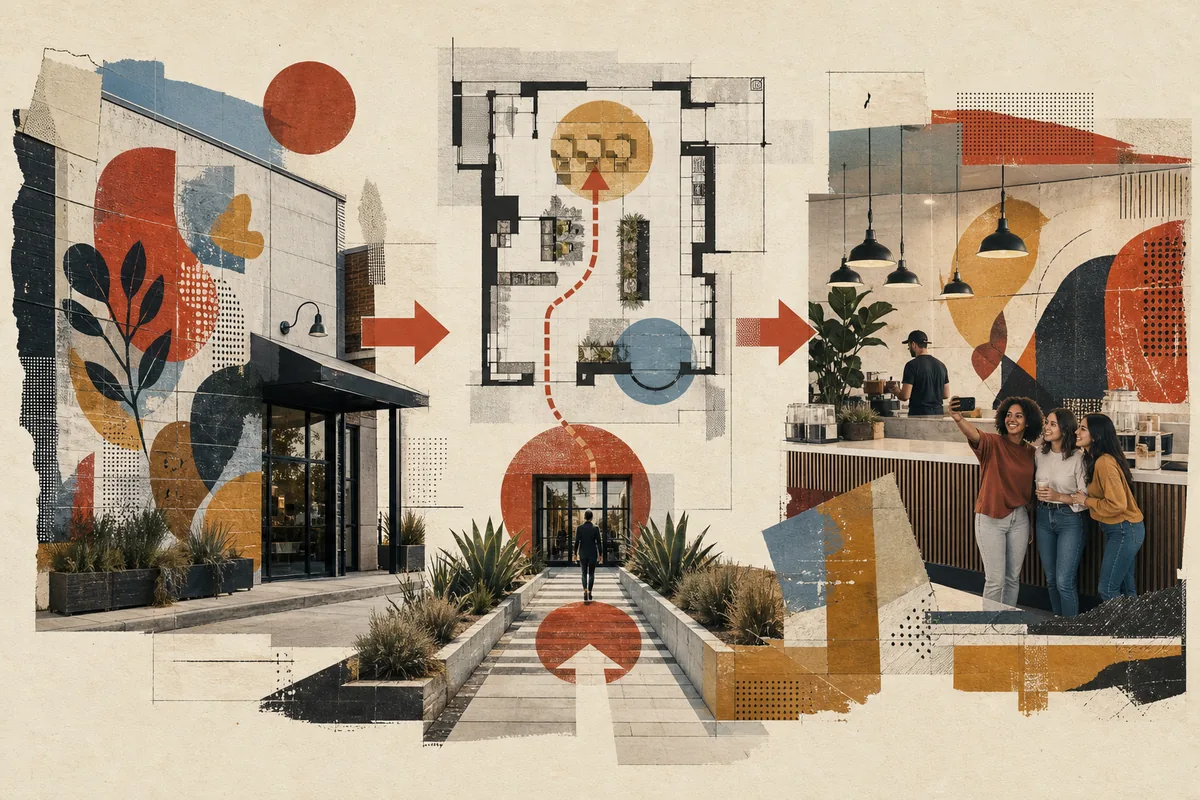
Then identify the audience. Artwork for customers entering a business may need a different first read from a mural a family sees every morning. Mention the viewing distance and whether people will pass quickly, sit nearby, or interact with the wall.
02
Build a small vocabulary
You do not need design terminology. Everyday contrasts often communicate more clearly: quiet or energetic, open or dense, playful or refined, geometric or organic, realistic or stylized, high contrast or soft, symmetrical or free-flowing. Choose a few that matter and explain why.
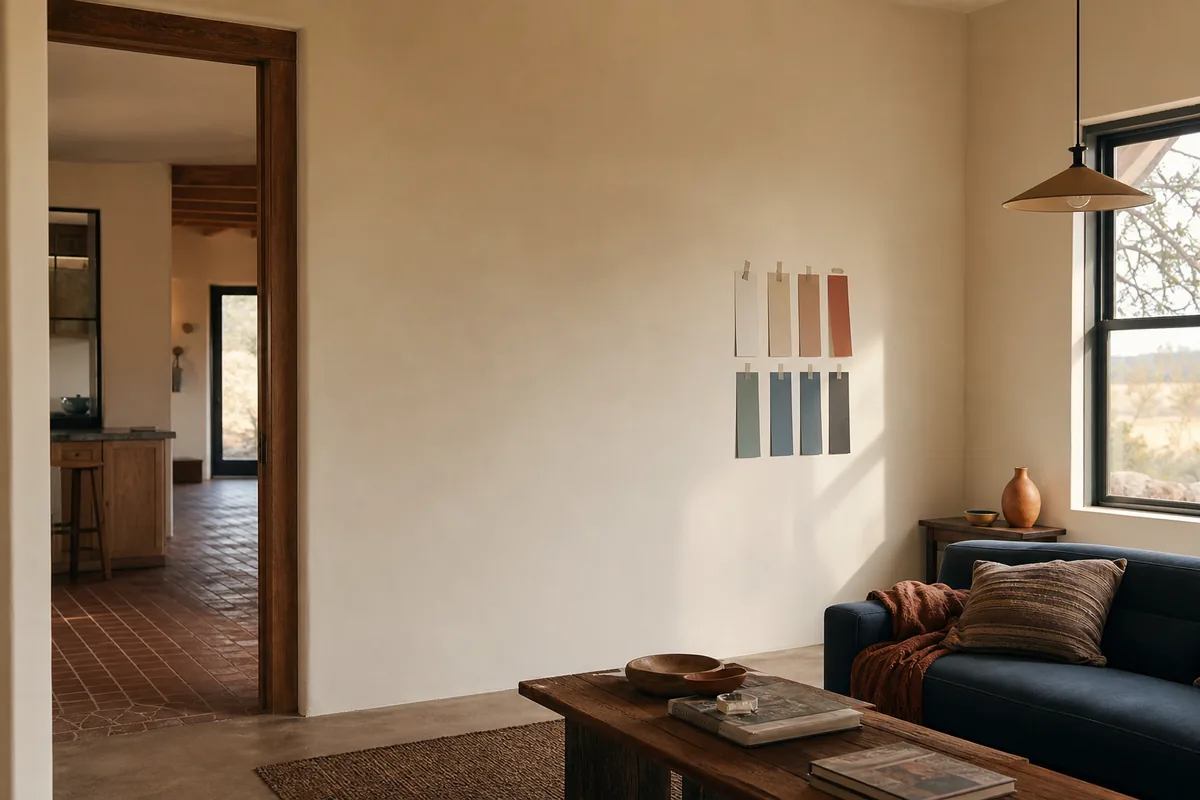
For color, name both preferences and context. Share existing finishes that will stay, colors you enjoy, colors to avoid, and whether the wall should blend with the room or stand apart from it. Photographs are more reliable than color names alone because “blue” can mean many things.
03
Use references with intention
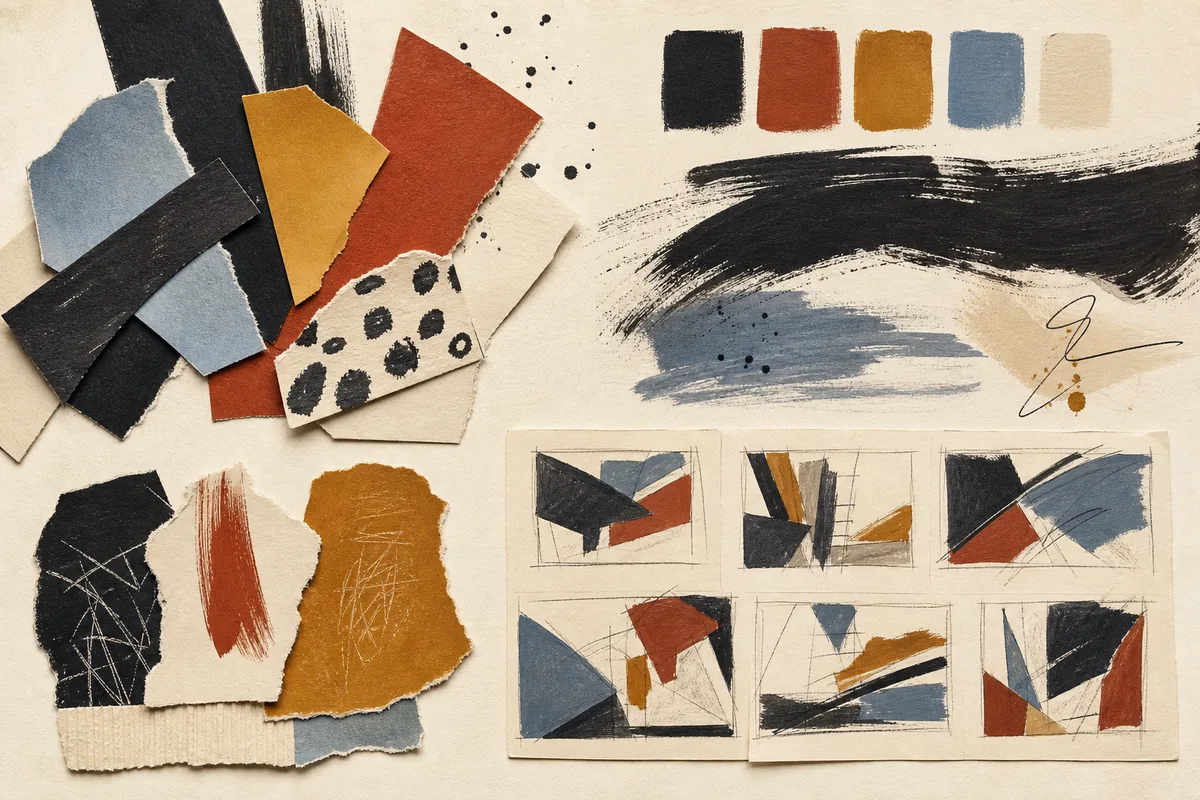
A useful reference note might say, “I like the limited palette and open space, but not the subject,” or “I like the movement and scale, not these exact colors.” That separates the quality you are responding to from the image as a whole.
Collect a small, edited set rather than dozens of unrelated images. Your references can include textiles, architecture, album art, landscapes, packaging, photography, or objects from the space—not only other murals. Avoid asking to reproduce protected artwork, logos, or another mural exactly.
- What feels right about this reference?
- What should not carry into the mural?
- Is this about subject, palette, texture, scale, or mood?
04
Name the non-negotiables and the open space
List any elements that truly must appear: a specific subject, approved brand asset, meaningful symbol, or color relationship. Then list what remains open. Too many fixed instructions can leave no room to compose for the actual wall, while no direction at all can make early exploration inefficient.
If the idea is unresolved, say that directly. A strong starting brief can be as simple as purpose, audience, a few qualities, two or three references, and clear boundaries. The goal of the first conversation is shared direction—not pretending the design is already finished.