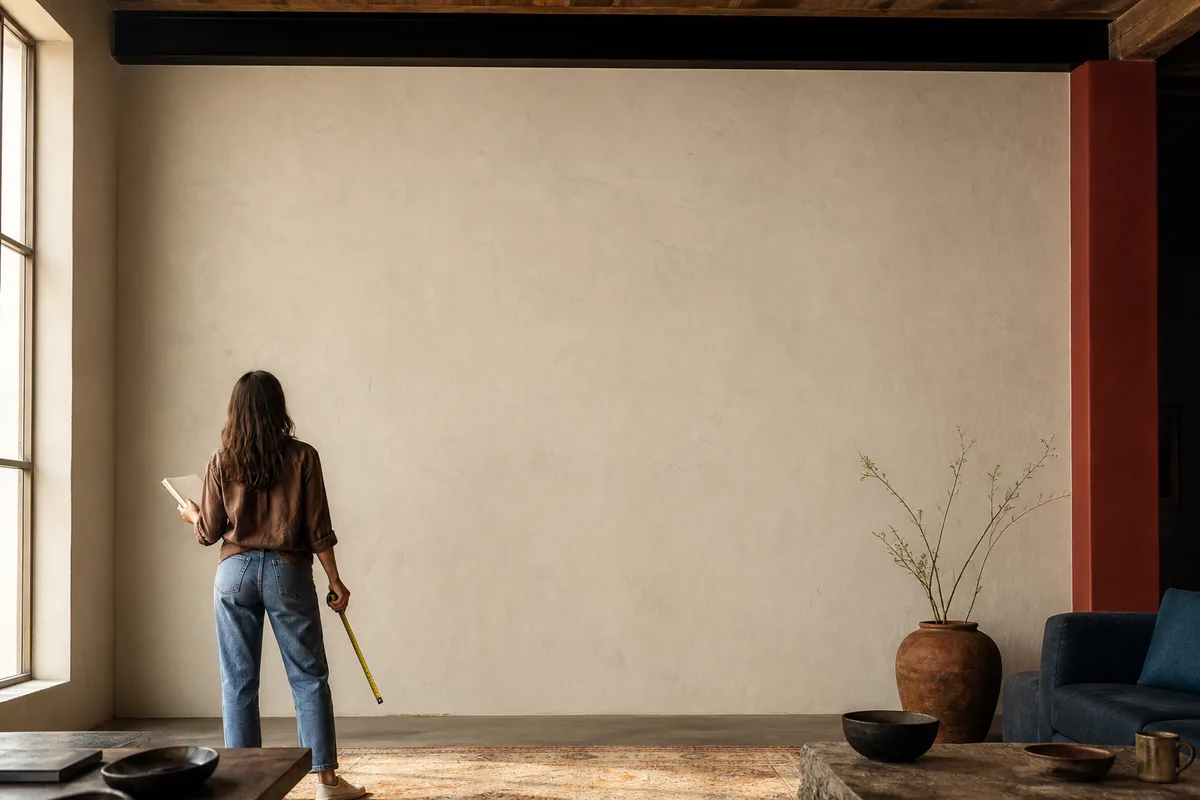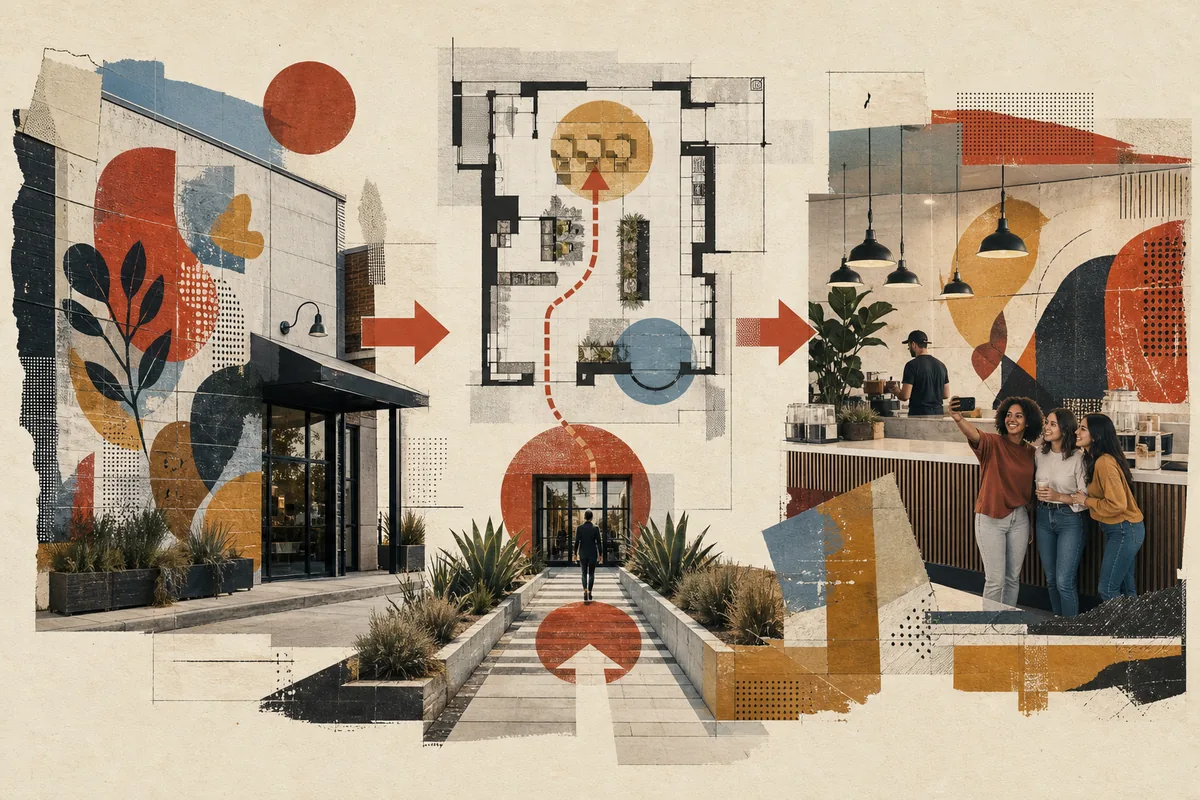
A good mural starts with useful decisions about the actual wall—not only an image in isolation. This guide gives you a practical way to prepare without turning an early conversation into a finished specification.
01
Separate appearance from stability
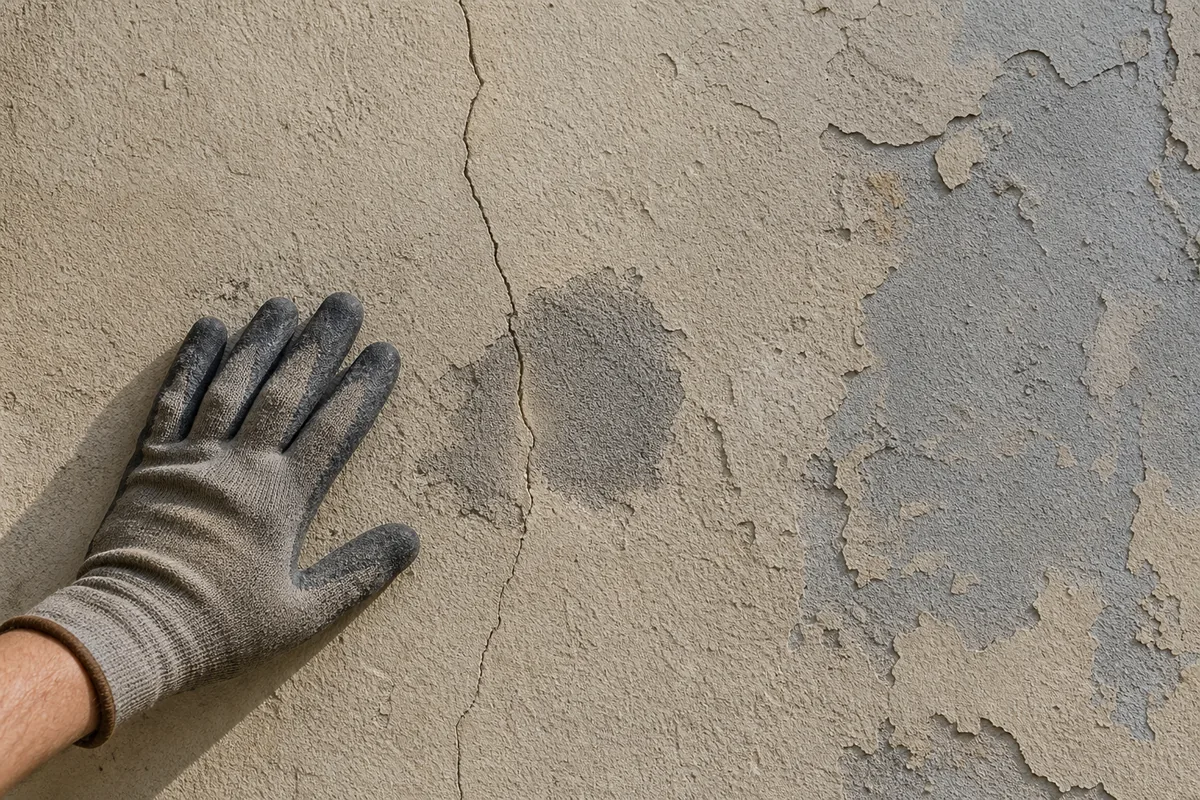
Color variation and texture may be mainly visual, while loose material, active cracks, recurring staining, or peeling coatings may point to conditions that need attention. A photograph cannot establish the cause, but it can reveal questions that should be addressed before artwork is designed around the surface.
Do not assume new paint will lock down a failing layer underneath. The mural is only as dependable as the prepared surface it is attached to, and active building issues should be evaluated appropriately.
02
Document what you can see
Take one wide photograph that shows where the condition appears on the wall, then several close photographs with clear focus. Raking side light can reveal texture, ridges, cracks, and patches. Include corners, rooflines, windows, plumbing, ground contact, or other nearby features that may add context.
Note whether a crack or stain has changed, returned after a repair, or appears only after weather or building use. Share known leaks, prior repairs, coating age if known, and any areas that sound hollow or feel loose without performing destructive tests.
03
Texture changes the visual result
Heavy stucco, block joints, rough masonry, wood grain, and patched areas affect edges and fine detail. Texture can become part of the character of a mural, but it should be considered during design rather than discovered after a highly intricate concept is approved.
Photograph the surface with a familiar object nearby for scale, and describe whether the texture is consistent across the wall. A small smooth sample area may not represent the full canvas.
04
Resolve the wall before asking art to hide it
If there are signs of active moisture, significant movement, loose substrate, widespread coating failure, or another building concern, the appropriate next step may be evaluation or repair by a qualified party before the mural scope is finalized. Odessa Murals should not be presented as diagnosing structural or moisture problems.
For the initial request, send overall photos, detail photos, dimensions, location, indoor or outdoor setting, known history, and any planned repairs. Honest condition information protects the creative work and helps determine whether the wall is ready to become a canvas.