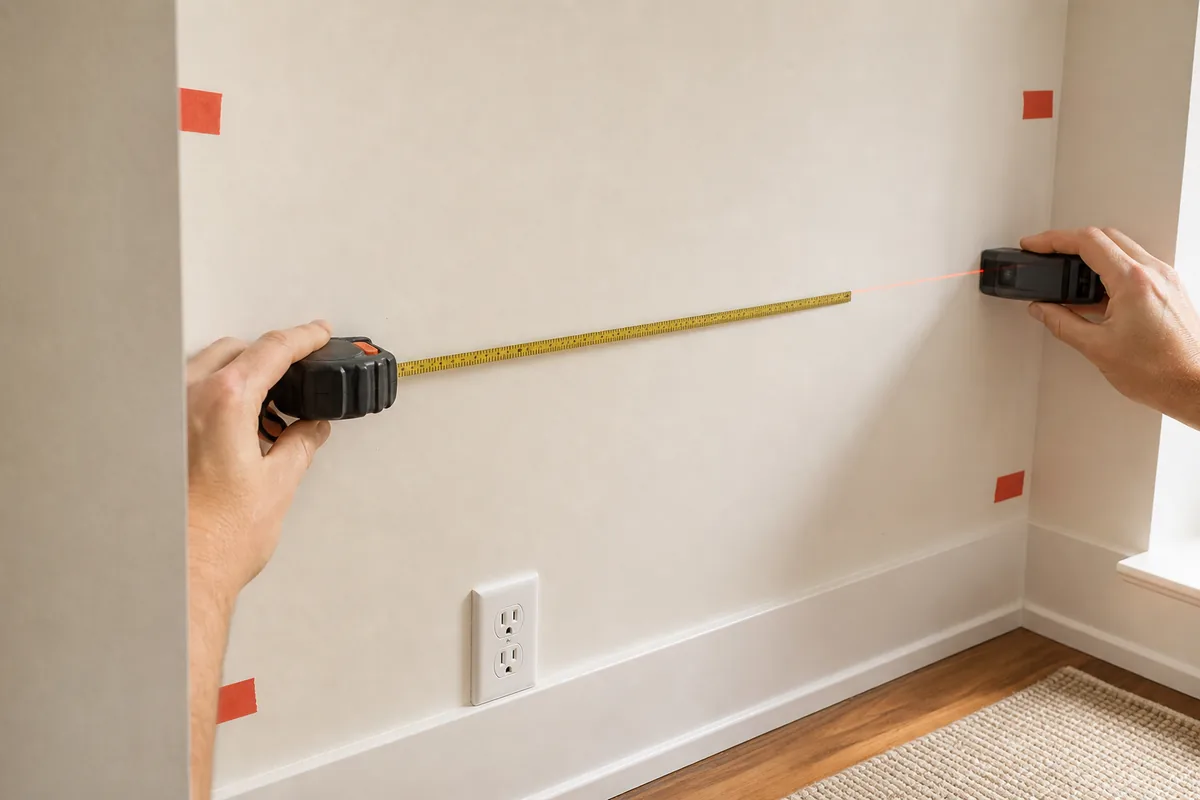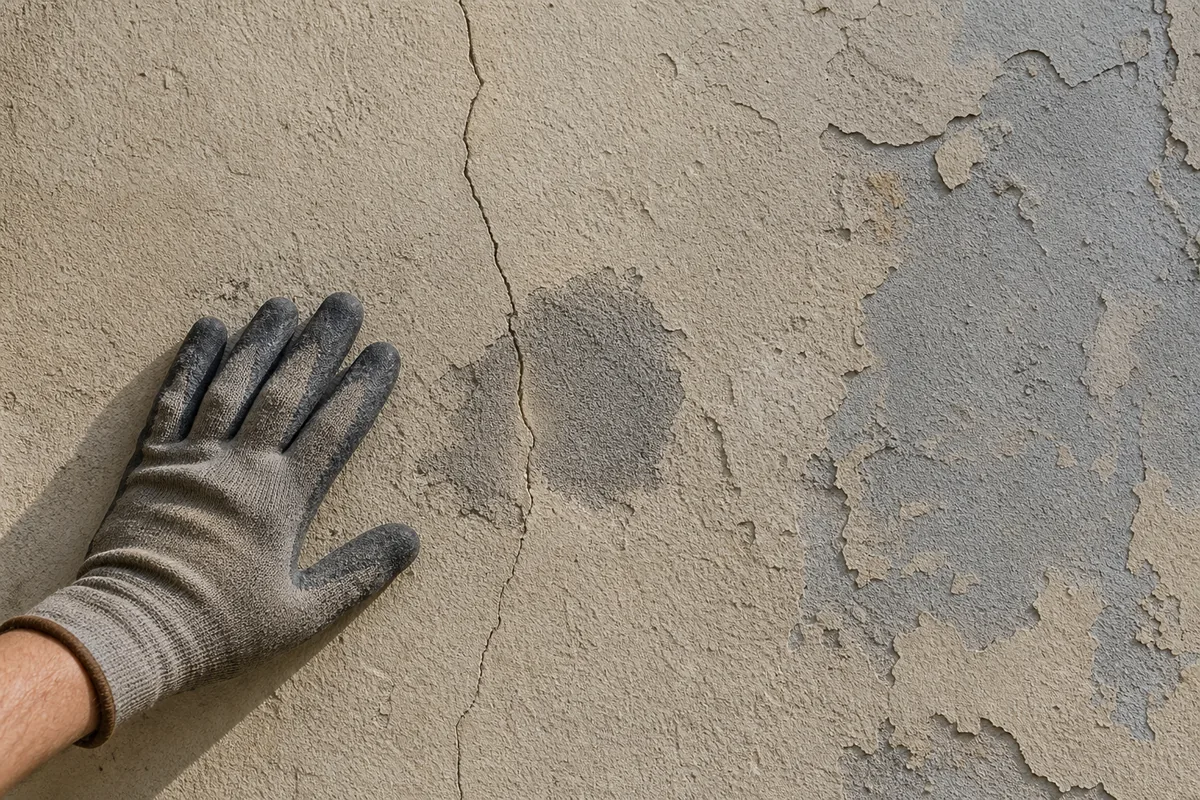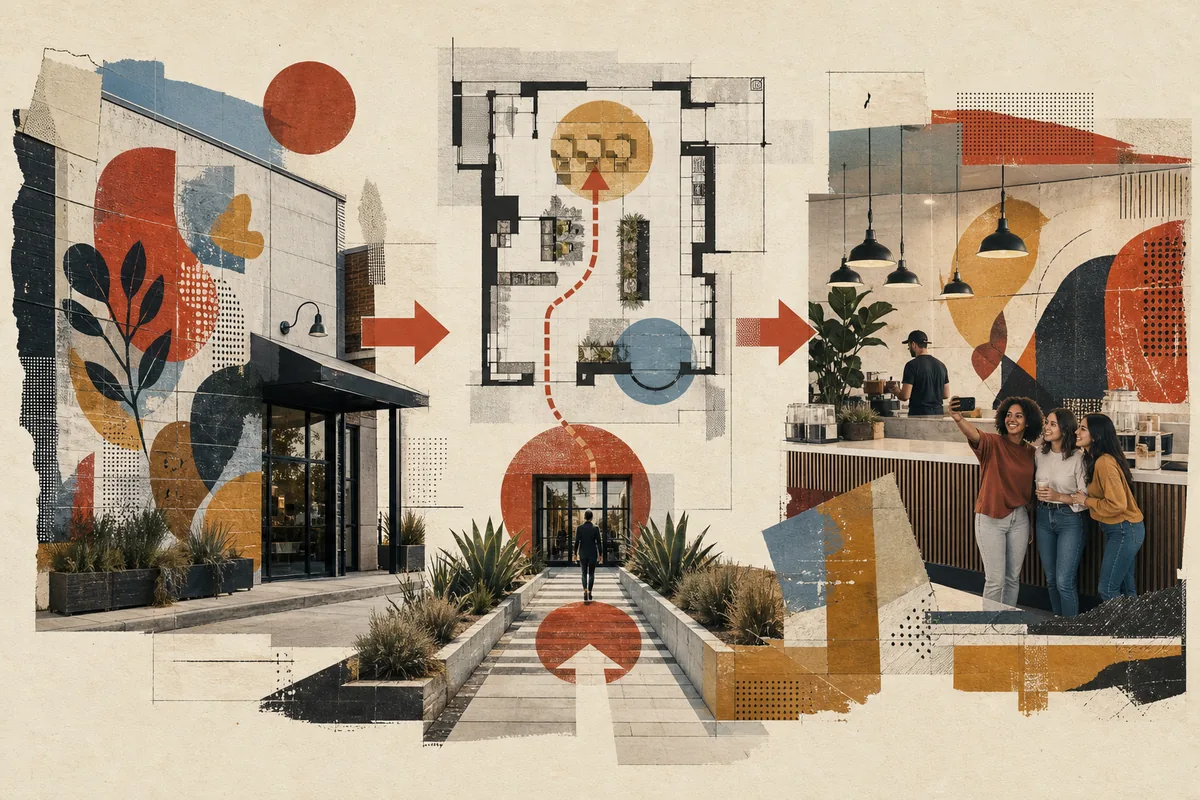
A good mural starts with useful decisions about the actual wall—not only an image in isolation. This guide gives you a practical way to prepare without turning an early conversation into a finished specification.
01
Define what the wall should accomplish
A commercial mural can signal arrival, establish atmosphere, reinforce a brand story, improve a waiting area, create a backdrop, or turn an overlooked surface into a memorable part of the visit. Rank those goals. Trying to make one wall do every job can weaken the design.
Identify the primary audience as precisely as possible: first-time customers, regulars, employees, event guests, pedestrians, or passing traffic. Their path and viewing time should shape placement and composition.
02
Walk the customer journey
Start outside and follow the normal route through the space. Photograph the approach, entrance, host or reception point, waiting areas, main service area, checkout, and exit. Note where people pause, where they look for information, and which walls are regularly blocked by crowds, displays, or open doors.
The largest wall is not automatically the most valuable. A smaller surface with a clear view at a meaningful moment may have greater impact than a large wall customers pass without seeing.
03
Separate brand presence from logo enlargement
A brand can show up through approved colors, shapes, subject matter, tone, local context, or a story associated with the business. A logo may be part of the brief, but simply making it enormous is only one option. Share current brand assets and identify which versions are approved for use.
Also document adjacent signage and required information. The mural should not make wayfinding harder or compete with menus, safety notices, directories, or displays that customers need to read.
04
Plan the photo moment and operations honestly
If social sharing matters, check camera distance, lighting, foot traffic, accessibility, and what appears behind a person. A successful photo area needs room to stand and frame the shot without blocking an entrance or service line. Avoid assuming people will interact with a wall simply because it is colorful.
Finally, share business hours, lower-traffic windows, wall dimensions, site photos, approved brand material, desired timing, and budget context. A commercial project must work for the audience and for the operation around it.