A good mural starts with useful decisions about the actual wall—not only an image in isolation. This guide gives you a practical way to prepare without turning an early conversation into a finished specification.
01
Size sets the stage, not the whole scope
Width and height help establish the amount of wall involved, but square footage cannot describe the artwork by itself. A composition with broad shapes and a limited palette may require a different process from one with many figures, fine lettering, layered texture, or precise brand elements.
Share approximate dimensions and a plain description of the visual direction. If parts of the design matter more than others, name those priorities so scope discussions can protect the core idea.
02
Design development is part of the work
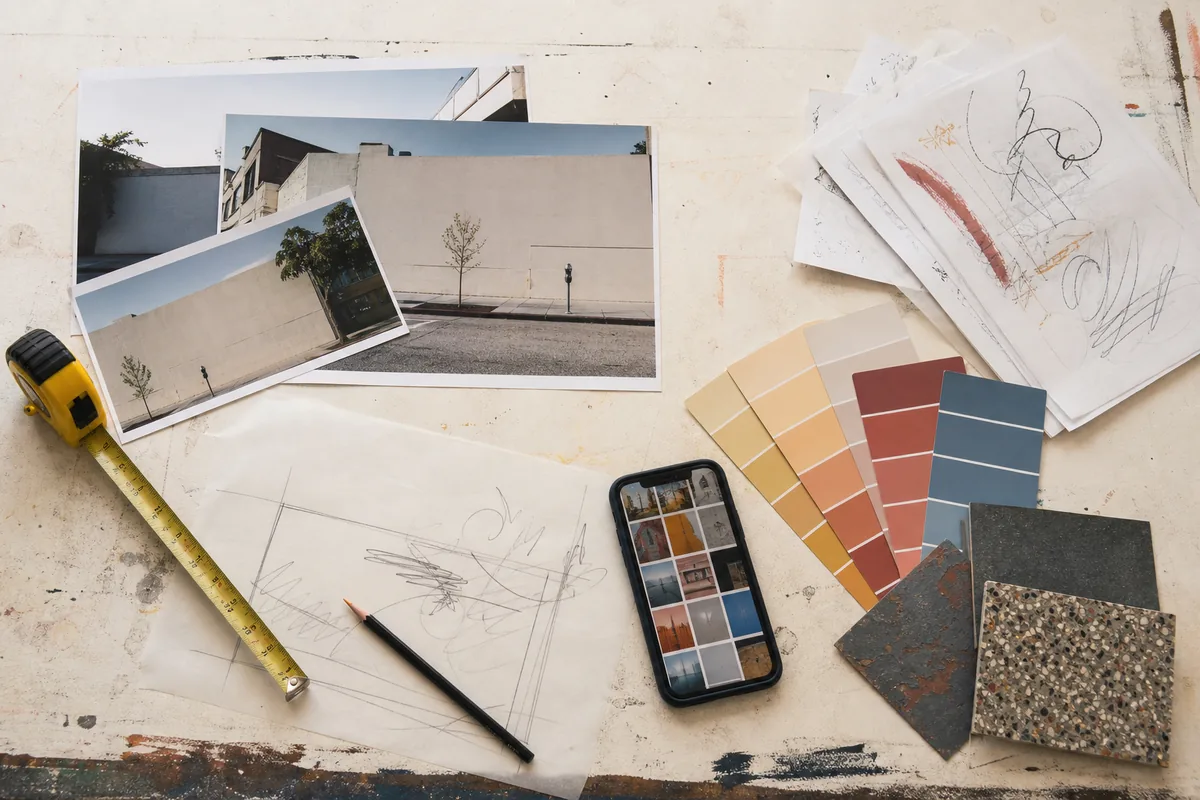
A custom mural requires decisions before paint reaches the wall: purpose, composition, scale, palette, references, revisions, and how the design responds to architectural interruptions. A clear brief can make this phase more focused; an unresolved concept may need more exploration.
Commercial work can also involve approved brand files, internal review, property approval, or coordination with other vendors. Identify the actual decision-makers and review needs early rather than adding them after a direction is developed.
03
Surface, access, and location change the plan
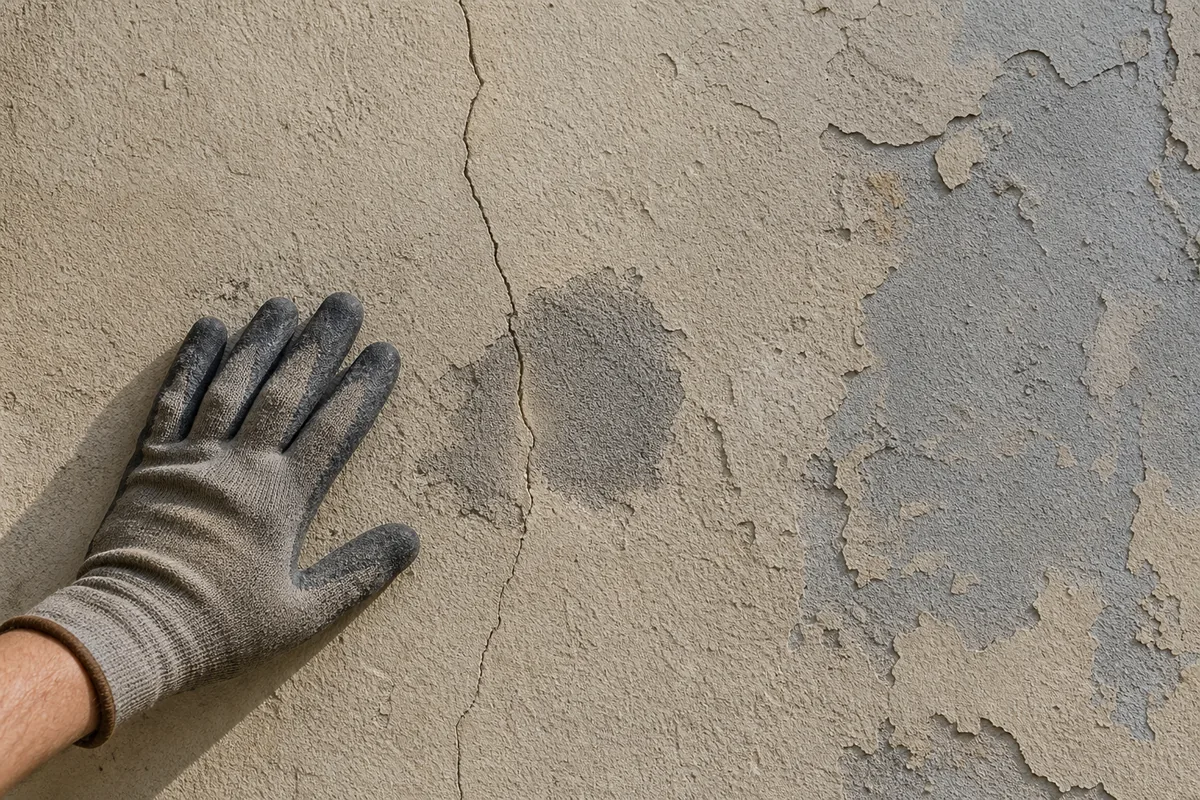
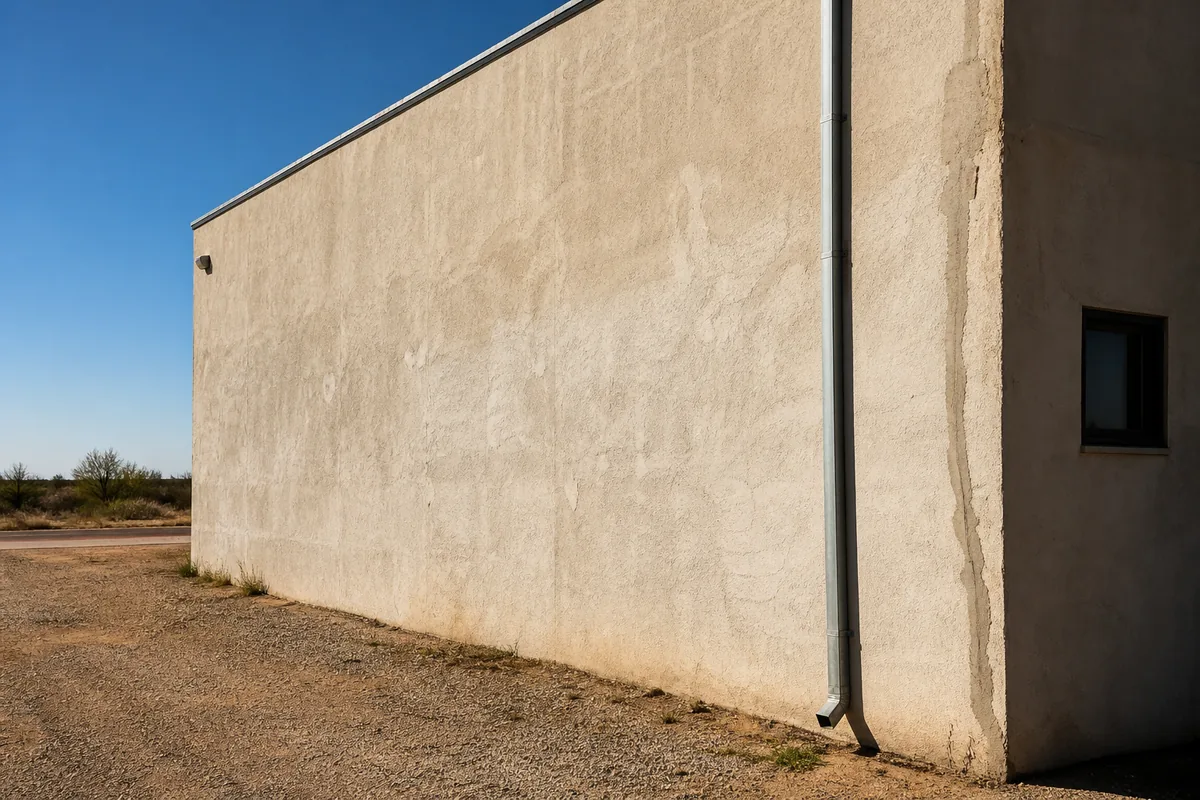
Texture, existing coatings, repairs, staining, peeling, and substrate type can affect preparation and painting. Height, slopes, stairs, narrow areas, landscaping, fixed equipment, vehicle routes, and operating hours can affect access. Exterior exposure introduces additional site considerations.
Project city and scheduling constraints matter for a service-area business as well. None of these details should be guessed from a close-up wall photo; send context views and describe how the space operates.
04
Use budget to make choices, not promises
A working budget gives the conversation a boundary. It can help prioritize wall size, level of detail, palette, placement, or phases. If you do not have a number, identify what is fixed and what can change. That is more useful than asking for a universal price per square foot without a defined wall or concept.
A request is not a final quote or scheduled project. Useful starting information includes dimensions, photos, condition notes, location, audience, concept, references, preferred timing, access context, and budget. Together they allow a project-specific review without unsupported one-size-fits-all pricing claims.